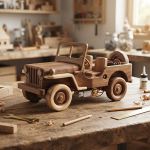
How to Make DIY Toys at Home for Kids Without Spending Much | Motorized Wooden Jeep
août 09, 2026


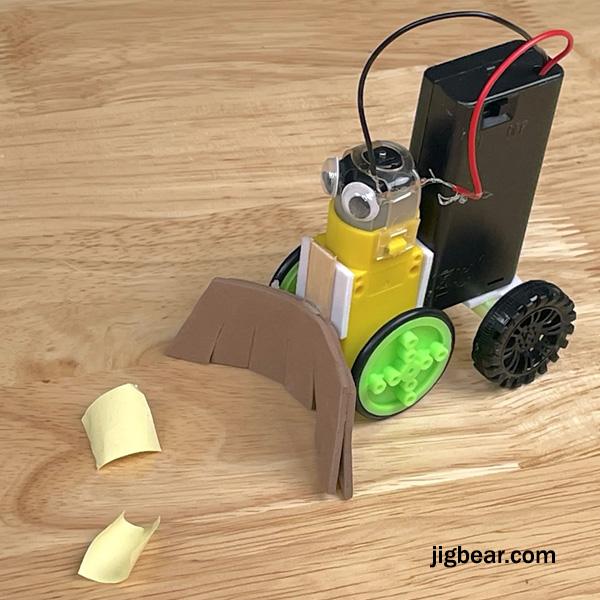
Looking for an exciting screen-free STEM activity for kids that encourages creativity, engineering, and hands-on learning?
This easy DIY robot project is the perfect educational activity for preschoolers, kindergarten kids, homeschool learners, and elementary students. Using simple household craft materials, children can build their own moving robot friend while learning the basics of robotics, problem-solving, and creative design.
we believe kids learn best through play, imagination, and adventure. That’s why this beginner-friendly STEM robot activity is designed to help children explore science and engineering in a fun and stress-free way.
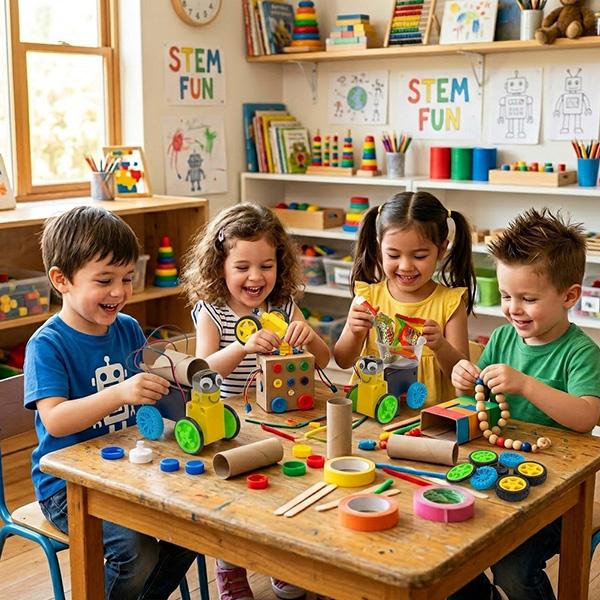
Whether you are a parent searching for educational indoor activities or a preschool teacher planning a STEM classroom project, this robot craft is a fantastic choice.
Hands-on STEM activities help children:
Unlike passive screen time, DIY learning projects encourage children to actively create, test, redesign, and explore.
This robot project introduces young learners to important STEM concepts in a playful and age-appropriate way.
Children will explore:
Most importantly, they learn that mistakes are part of the learning process.
Parents and teachers can also encourage children to recycle household materials to create unique robot designs.
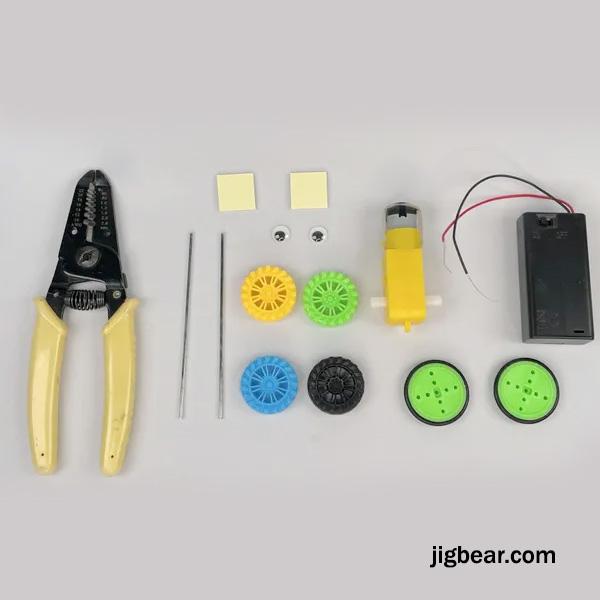
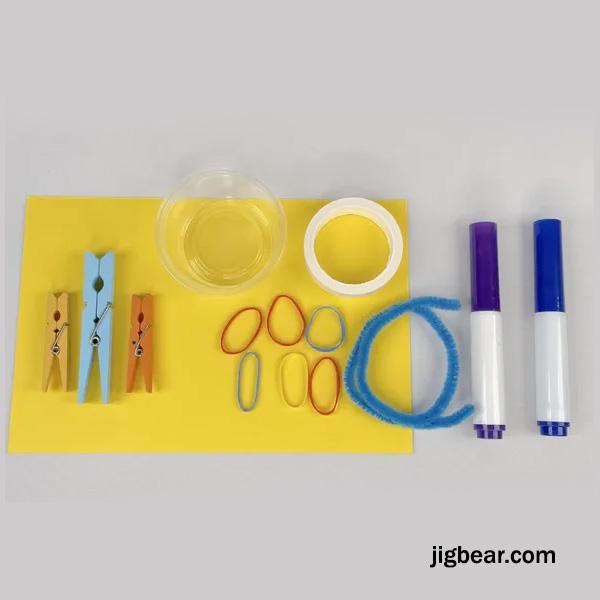
Every robot has a job.
Ask children:
“What task should your robot complete?”
Fun ideas include:
This encourages creative thinking before building begins.
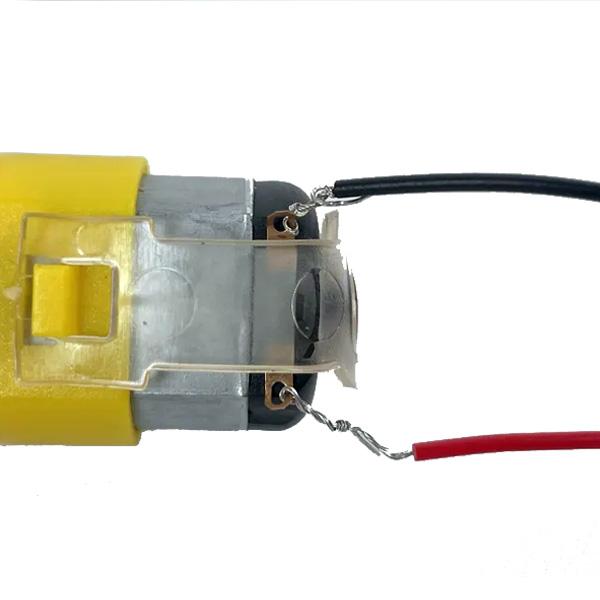
Carefully strip the wire ends and connect them to the motor terminals.
Insert the batteries and test the motor movement.
Adult supervision is recommended for younger children during this step.
Attach the motor and battery pack using foam adhesive squares.
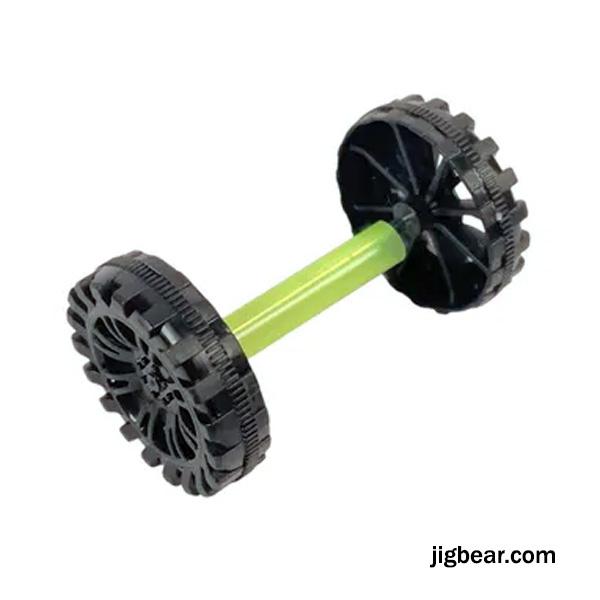
Add wheels and create support wheels using a straw and axle system.
Children can experiment with different wheel positions to see how movement changes.
This step introduces early engineering and design concepts.
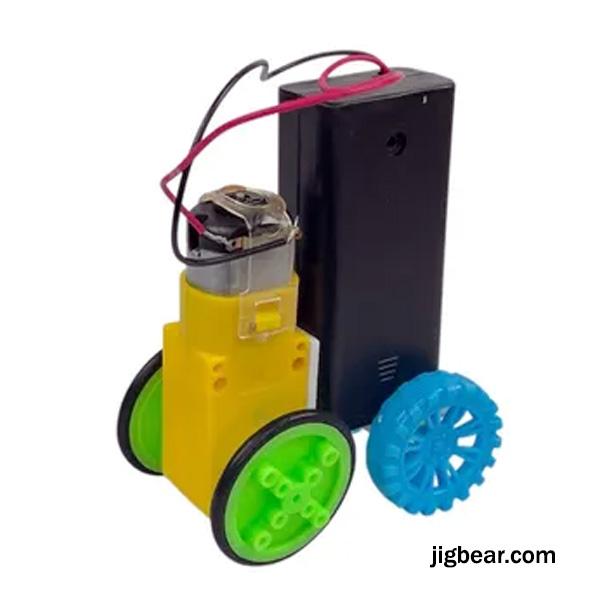
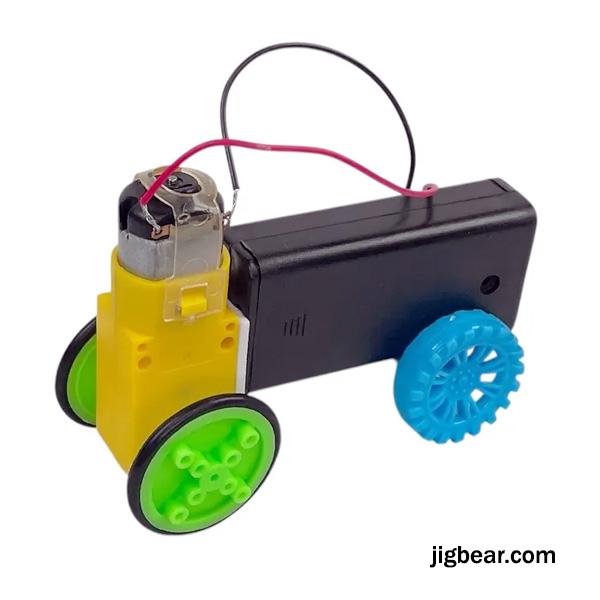
Now comes the fun part!
Decorate the robot using:
Kids love turning their machine into a friendly robot character.
This stage boosts creativity and emotional connection to learning.

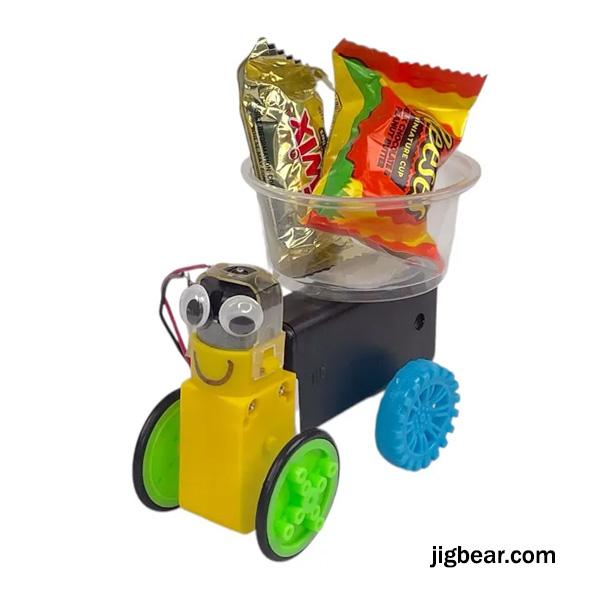
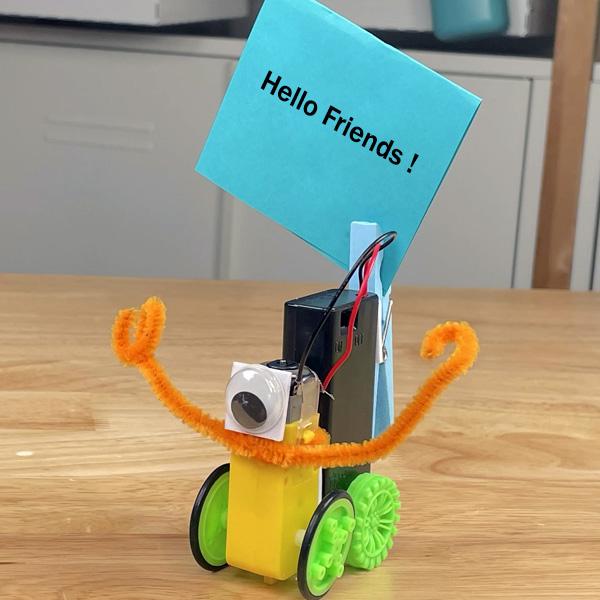
Turn on the robot and observe how it moves.
Ask children:
Testing teaches observation and problem-solving skills.
One of the best STEM lessons is learning through improvement.
Children can:
This teaches kids that engineering is a process of experimenting and improving designs.
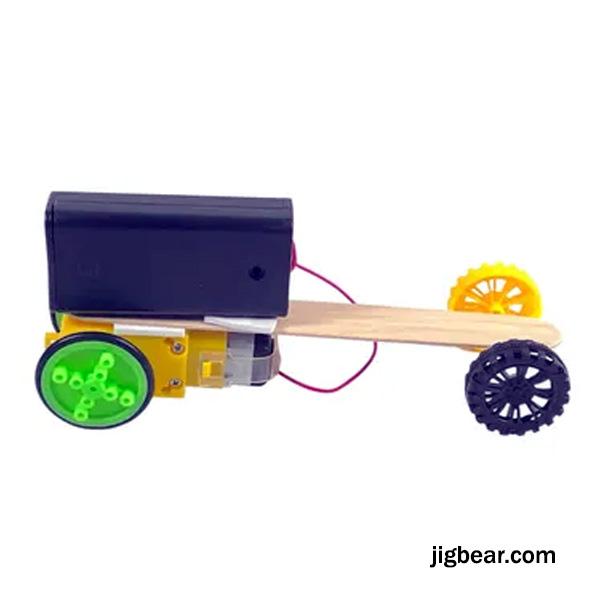
This DIY robot project works perfectly for:
Teachers appreciate that the activity combines:
All in one engaging project.
Parents love this project because it:
It’s also a wonderful weekend craft activity for families.
DIY robot projects are more than just crafts.
They help children develop confidence, curiosity, creativity, and STEM thinking skills that can support lifelong learning.
Best of all, kids have fun while learning.
So gather your materials, turn on the motor, and start building your own robot friend today!
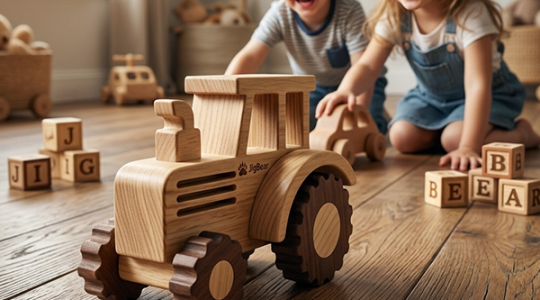
Build an Eco-Friendly Moving Toy Using Wood, Simple Electronics & Creativity Eco-friendly
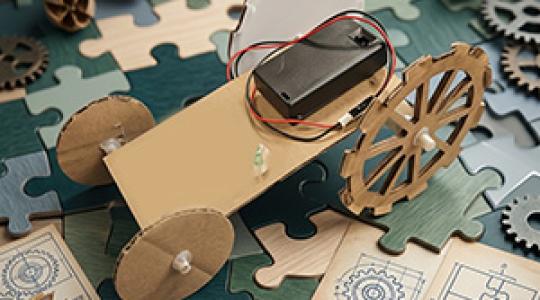
Build a moving cardboard car with kids using simple recycled materials. A fun STEM activity for preschoolers,...

juil. 22, 2026
Cookie preferences